

Credit: Pok Rie / Pexels
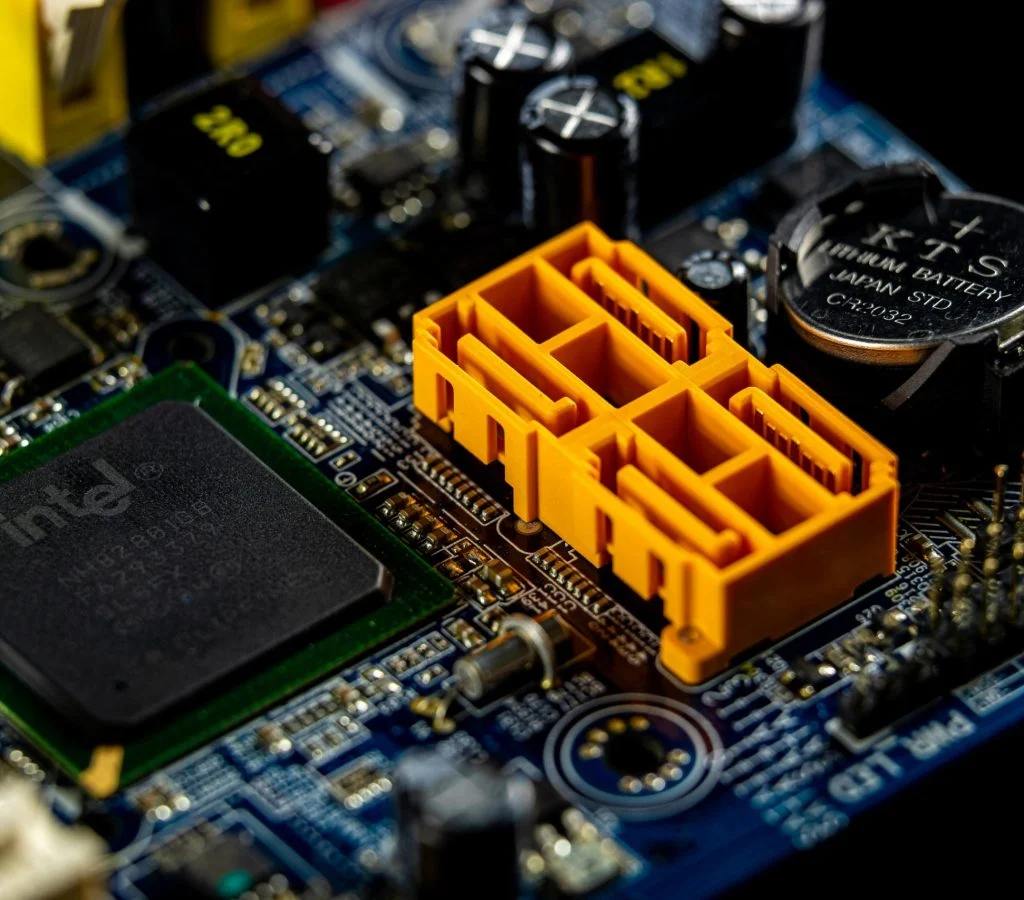
How Processors Work in Simple Terms
Processors receive instructions from programs and execute them step by step. This allows devices to perform tasks.
Experts explain that faster processors handle tasks more quickly.
This improves performance.
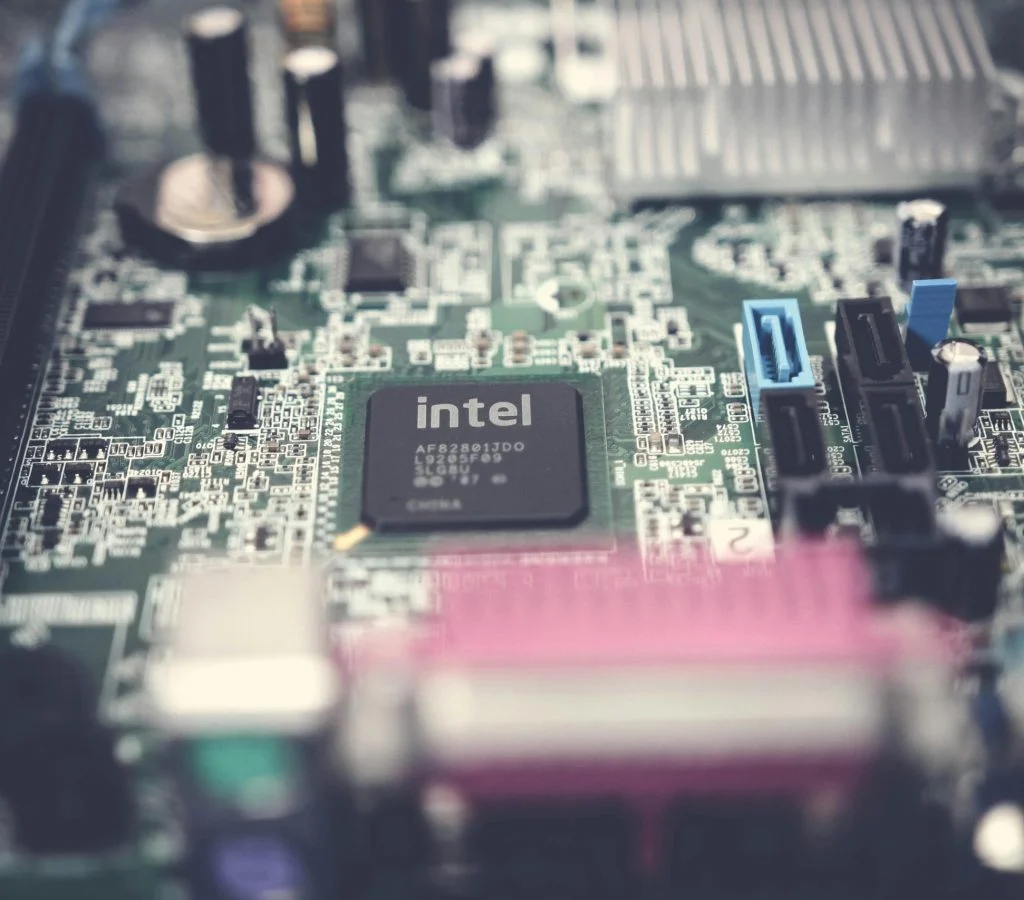
Why Processors Are Important for Performance
The processor determines how fast a device can run applications and perform tasks.
Experts highlight that a powerful processor improves multitasking.
This enhances user experience.
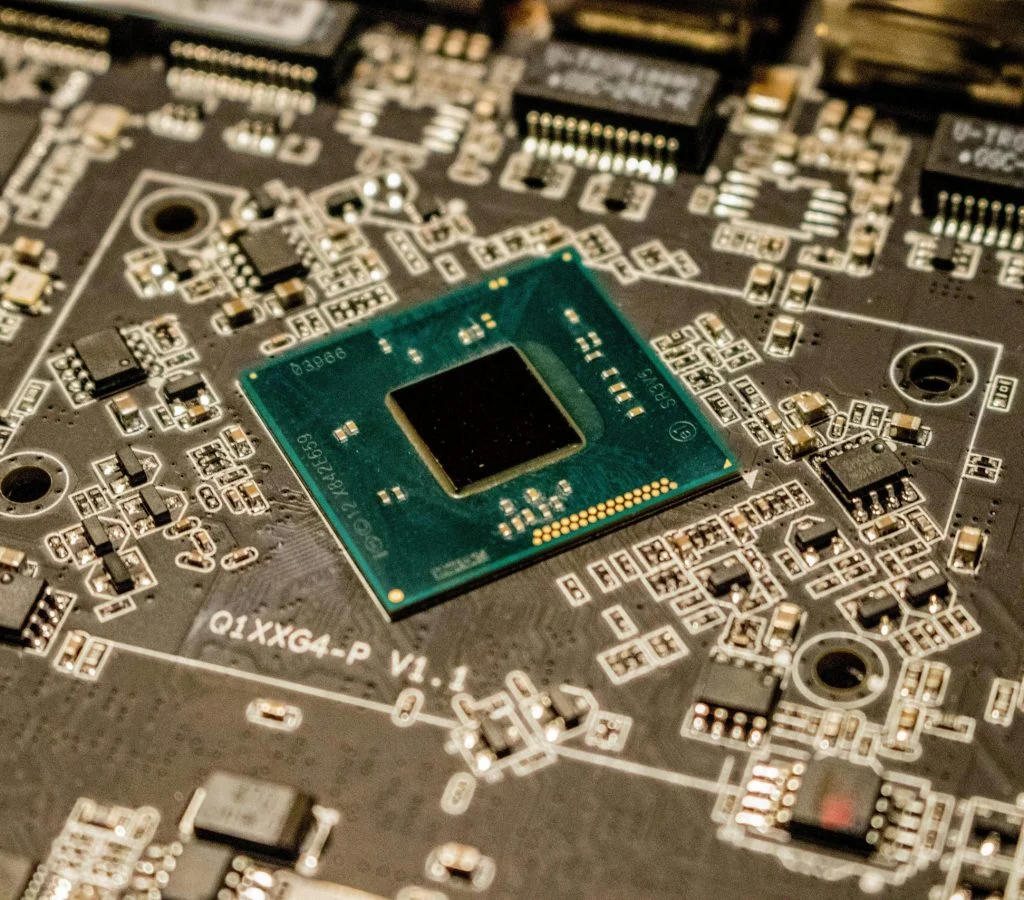
How Processors Affect Smartphones and Laptops
Devices with faster processors handle tasks more efficiently, including gaming, browsing, and editing.
Experts note that processor speed directly impacts overall responsiveness.
This helps improve usability.
What Happens with a Slow Processor?
A slow processor can lead to delays and noticeable lag in performance.
Experts explain that this can affect app loading times and multitasking.
This reduces overall efficiency.
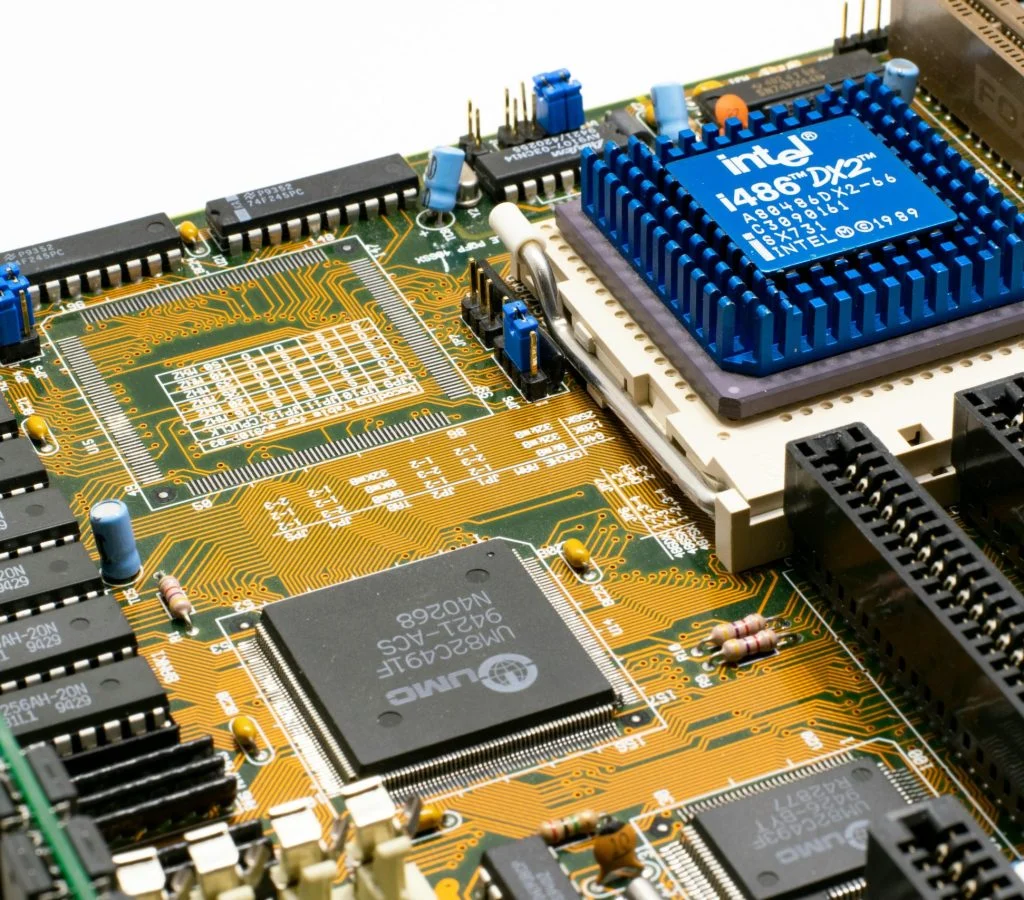
How to Choose a Processor for Your Needs
Choosing the right processor depends on usage such as basic tasks or advanced applications.
Experts recommend selecting based on performance requirements.
This ensures better results.
Frequently Asked Questions
Q: What is a processor used for?
A: It processes instructions and manages device operations.
Q: Does processor speed matter?
A: Yes, it affects performance and multitasking.
Q: Can a slow processor affect performance?
A: Yes, it can cause delays and lag.
Q: Is the processor important in smartphones?
A: Yes, it determines speed and efficiency.
Key Takeaway
What is a processor explains a key component that controls device speed and performance. It manages tasks and improves efficiency. Experts highlight that choosing the right processor ensures better device experience.