


Smartphones are essential devices used for communication, work, and entertainment. With many options available, choosing the right one can be challenging. Understanding what to check when buying a smartphone helps users make better decisions.
Technology experts explain that focusing on key features ensures better performance and value. These factors help users choose a device that fits their needs.
1. Processor and Performance
The processor affects speed and multitasking.
Experts recommend choosing a device with a capable processor.
This improves performance.
2. RAM and Storage Capacity
RAM affects multitasking while storage holds apps and files.
Experts suggest selecting based on usage needs.
This improves usability.
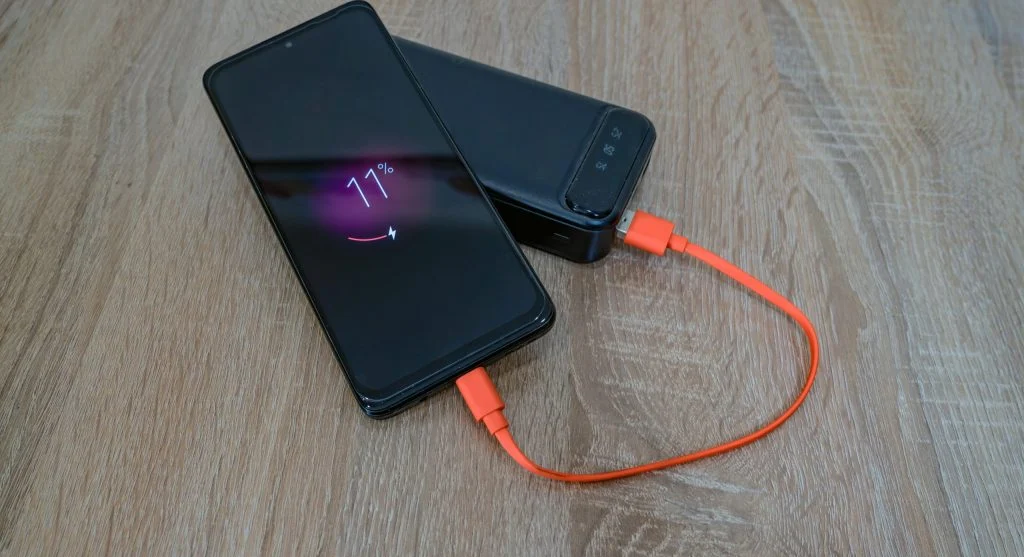
3. Battery Life and Charging Speed
Battery life determines how long the device lasts.
Experts recommend checking battery capacity and charging speed.
This improves convenience.
4. Camera Quality and Features
Camera performance is important for photos and videos.
Experts suggest checking resolution and features.
This improves experience.
5. Display Size and Quality
Display affects viewing and usability.
Experts recommend choosing based on preference.
This improves comfort.

6. Build Quality and Design
Durable design ensures longer use.
Experts suggest checking materials and build quality.
This improves reliability.
7. Software and Updates
Software affects performance and security.
Experts recommend choosing devices with regular updates.
This improves longevity.
8. Connectivity Features
Connectivity options include WiFi, Bluetooth, and network support.
Experts note that these features improve usability.
This enhances experience.
9. Price and Value for Money
Price should match features and performance.
Experts recommend comparing options within budget.
This ensures better value.
Frequently Asked Questions
Q: What should I check when buying a smartphone?
A: Check performance, battery, camera, and features.
Q: Is battery life important?
A: Yes, it affects daily usage.
Q: Does RAM matter?
A: Yes, it improves multitasking.
Q: Are expensive smartphones always better?
A: Not always, it depends on features and needs.