


You upgrade to a faster internet plan expecting everything to feel quicker. The advertised speeds are higher, the numbers look impressive, and on paper the connection is significantly better. Yet everyday browsing still feels much the same—or, at times, even slower than before.
It’s a frustrating experience, but it’s also a common one. The reason is that internet speed is only one part of what determines how fast the online experience actually feels.
Speed Numbers Don’t Tell the Whole Story
Internet providers usually advertise download and upload speeds because they’re easy to measure and compare.
However, those numbers don’t always reflect what users experience during everyday activities like browsing websites, opening apps, or clicking through online content.
The overall experience depends on several factors working together—not just the speed shown on your plan.
The Hidden Delay: Latency
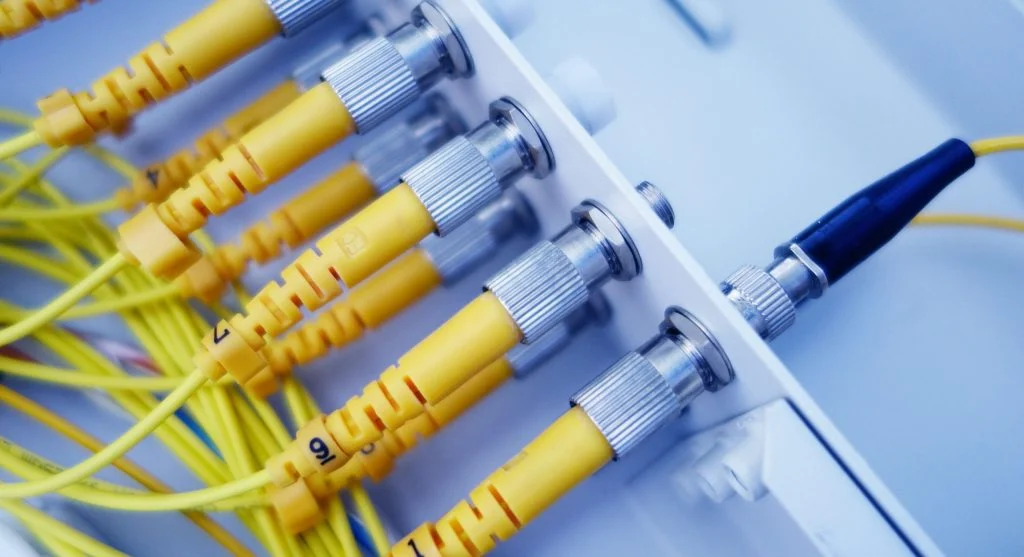
One of the biggest factors people rarely think about is latency.
Latency measures how long it takes for information to travel from your device to a server and back again. Even if your connection has very high download speeds, high latency can make websites feel sluggish, buttons seem less responsive, and pages take longer to react.
In many cases, it’s this invisible delay not raw speed that affects how fast the internet feels.
Modern Websites Are Much Heavier
Today’s websites are far more complex than they were just a few years ago.
Many pages now include large images, videos, interactive features, advertising scripts, and other dynamic content that all need to load before the site is fully functional.
Even a fast internet connection can seem slow if the website itself isn’t well optimized. Sometimes the bottleneck isn’t your connection at all it’s the page you’re trying to load.

Your Device Has a Bigger Impact Than You Might Expect
A fast internet connection can’t fully compensate for an older device.
If your phone, tablet, or computer takes longer to process information, render websites, or manage multiple applications, everything can feel slower regardless of your connection speed.
The performance of your device is just as important as the quality of your internet connection.
Background Activity Can Quietly Reduce Performance
Many devices constantly perform tasks behind the scenes without drawing attention.
Software updates, cloud backups, app synchronization, and automatic downloads all use internet bandwidth and system resources while you’re doing other things.
Although these processes aren’t always visible, they can reduce the performance available for the tasks you’re actively using.
Why Streaming Feels Smooth While Browsing Doesn’t
Streaming video often feels seamless because streaming services load content in advance through buffering.
By downloading parts of a video before you reach them, they can continue playback smoothly even if the connection fluctuates slightly.
Browsing works differently. Every click requires new information to be requested and delivered in real time, making delays much more noticeable.
That’s why streaming can feel fast while ordinary web browsing still seems slow.
The Role of Expectations
Upgrading to a faster internet plan naturally raises expectations.
Once people expect instant results, even small delays become more noticeable than they were before. The connection itself may actually be faster, but the higher expectations make ordinary waiting times feel more frustrating.
Sometimes the change is as much about perception as it is about technology.
What Actually Makes the Internet Feel Faster
Instead of focusing only on download speeds, it’s worth considering the factors that have the biggest impact on everyday performance:
- A stable and reliable internet connection
- Lower latency for faster response times
- A device with good processing performance
- Well-optimized websites and applications
Together, these elements have a much greater influence on how fast the internet feels than speed alone.
Frequently Asked Questions
Q: Why does fast internet still feel slow?
A: Factors like latency, device performance, and website design affect experience.
Q: Does higher speed always improve performance?
A: Not always. Stability and latency also matter.
Q: Can my device affect internet speed?
A: Yes, older devices may slow down performance.
Q: What matters more than speed?
A: Real-world experience depends on multiple factors, not just speed.
Key Takeaway
The reason faster internet doesn’t always feel faster is that download speed is only one part of the equation. Factors such as latency, device performance, website design, and background activity all influence how responsive your connection feels. Understanding these hidden elements can help set realistic expectations and improve your everyday online experience.