
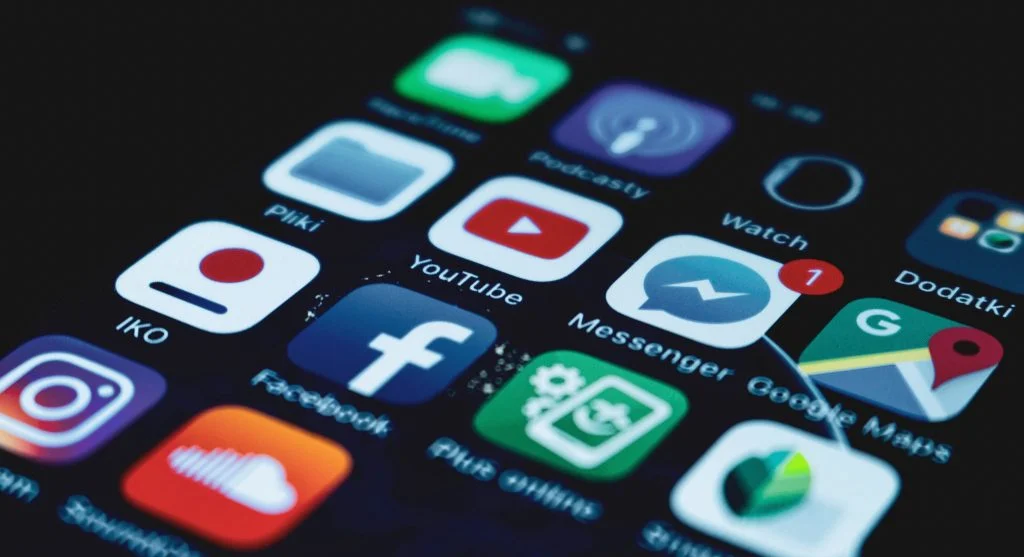

Your phone may not actually be doing very much, yet it can still feel overwhelming. Notifications, app badges, software updates, and constant alerts create the impression that something important is always happening—even when there isn’t.
This isn’t a coincidence. It’s the result of how modern digital design interacts with human attention.
The Illusion of Constant Activity
A single notification is usually harmless. But when vibrations, banners, badges, and alerts appear throughout the day, they combine to create a constant sense of urgency.
Your brain naturally interprets these signals as signs that something requires attention, even when the information isn’t particularly important.
The result is a feeling that your phone is always busy, regardless of what’s actually happening.
Why Small Notifications Feel So Important
Our attention responds more strongly to interruptions than to the actual importance of the information being delivered.
Even a minor notification can feel urgent simply because it breaks your concentration. The interruption itself becomes the trigger, causing your focus to shift even when there’s no immediate reason to respond.
Over time, these repeated interruptions make the phone seem more demanding than it really is.
Visual Clutter Makes Everything Feel Busier
Modern smartphone interfaces are filled with attention-grabbing elements. Bright notification badges, colorful icons, animations, and moving widgets are all designed to stand out.
When many of these visual cues appear at the same time, they create a sense of clutter that makes the device feel far more active than it actually is.
Sometimes the feeling of busyness comes from what you see, not from what’s actually happening.
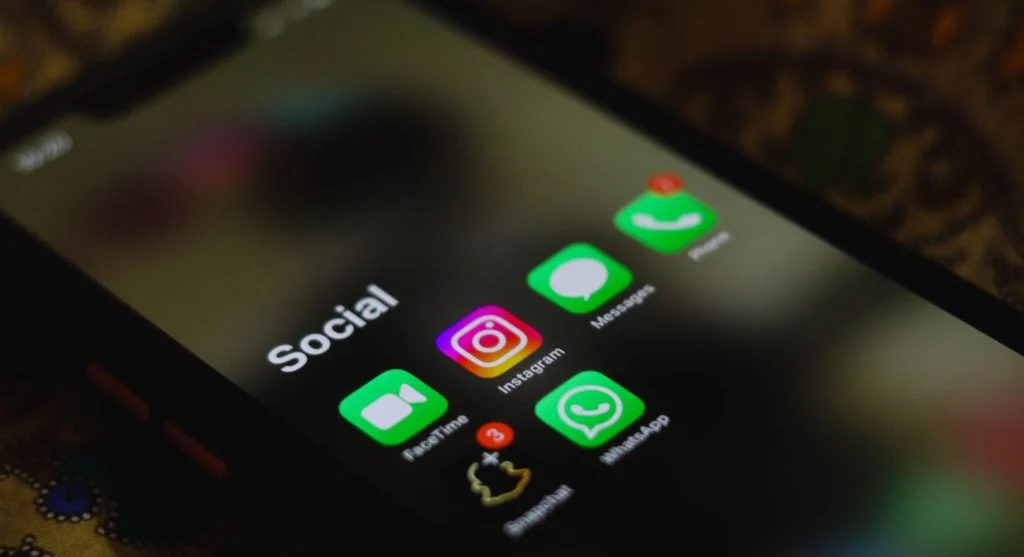
The “Check Now” Habit
After repeated exposure to notifications, many people develop an automatic routine.
A sound, vibration, or visual alert appears and almost instantly, they reach for their phone.
Eventually, this response becomes a habit. In some cases, people check their phones even when there are no new notifications at all because the brain has learned to expect constant updates.
Why a Quiet Phone Can Feel Strange
When notifications suddenly become less frequent, the silence can feel unusual.
That doesn’t necessarily mean something is wrong. More often, it reflects how accustomed the brain has become to constant digital stimulation.
After spending so much time responding to alerts, a quiet phone may feel almost unfamiliar even though it’s completely normal.
What’s Really Happening Behind the Screen
Despite the constant signals, most phone activity isn’t urgent.
Messages can usually wait. Software updates happen routinely. Many notifications are generated automatically rather than requiring immediate action.
In many cases, the sense of urgency comes from how information is presented rather than from its actual importance.
How to Reduce the Feeling of Digital Busyness
You don’t have to stop using your phone to make it feel less overwhelming.
Small adjustments can make a noticeable difference:
- Turn off notifications that aren’t essential.
- Reduce visual clutter by simplifying your home screen.
- Organize apps into folders instead of displaying everything at once.
- Choose specific times to check your phone instead of reacting to every alert immediately.
These simple changes reduce unnecessary distractions while keeping your phone just as useful.
Frequently Asked Questions
Q: Why does my phone feel overwhelming?
A: Visual signals and frequent alerts create a sense of constant activity.
Q: Are notifications the main problem?
A: Not alone—design and habit both contribute.
Q: Can I fix this without uninstalling apps?
A: Yes, adjusting settings and habits can help.
Q: Is this effect intentional?
A: Many design choices aim to capture attention.
Key Takeaway
When your phone feels busy, it’s often responding to design choices, visual signals, and habits rather than genuine urgency. Recognizing how these elements influence your attention can help you use your device more intentionally, reducing unnecessary distractions while keeping the convenience your phone provides.