
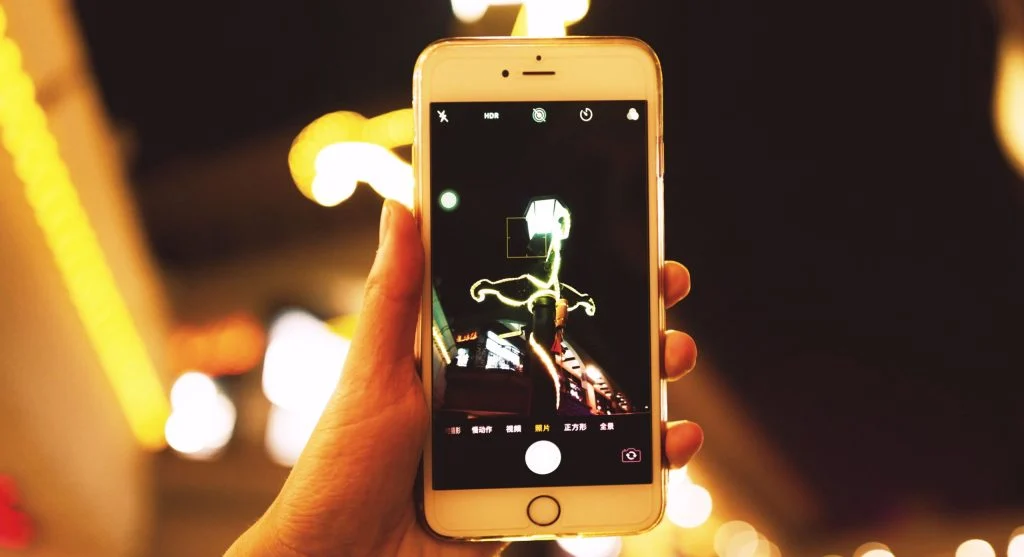

The phone is the same. The apps haven’t changed, and the content is often exactly what you would see earlier in the day. Yet using your phone at night can feel surprisingly different from using it during the afternoon.
The difference isn’t the device it’s the situation around it.
Daytime Phone Use Is Usually Purpose-Driven
For most people, phone use during the day is connected to specific tasks.
Checking messages, responding to emails, getting directions, looking up information, or completing work-related activities all have a clear purpose. Once the task is finished, it’s easier to put the phone away.
As a result, daytime interactions tend to be shorter, more focused, and more intentional.

Nighttime Use Becomes More Open-Ended
Evenings often have a very different rhythm. Work responsibilities begin to fade, schedules become less structured, and there are fewer deadlines competing for attention. Instead of opening the phone to accomplish something specific, many people begin using it simply to relax or pass the time.
Without a clear objective, it’s much easier for a quick check to become a much longer session.
Your Surroundings Change the Experience
The environment around you also shapes how your phone feels. Dim lighting, a quieter home, and fewer distractions can make digital content seem more engaging than it did during the day. The exact same social media feed, video, or article may feel more immersive simply because your surroundings have changed.
Context influences attention just as much as the content itself.
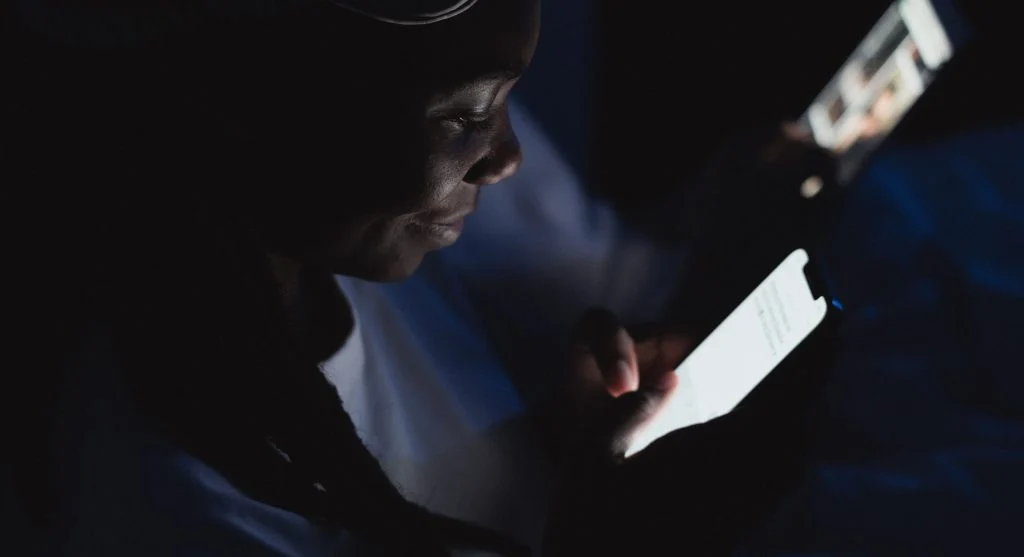
Fewer Interruptions Lead to Longer Sessions
Throughout the day, phone use is naturally interrupted by meetings, conversations, errands, work, or household responsibilities.
At night, many of those interruptions disappear.
With fewer reasons to stop, it’s easier to stay engaged with apps for longer periods without realizing how much time has passed.
Content Often Feels More Personal at Night
When the environment becomes quieter, attention naturally becomes more focused.
Without constant background activity competing for your awareness, articles, videos, and social media posts can seem more interesting or emotionally engaging than they would earlier in the day.
The content itself hasn’t changed but your level of attention has.
Time Becomes Harder to Notice
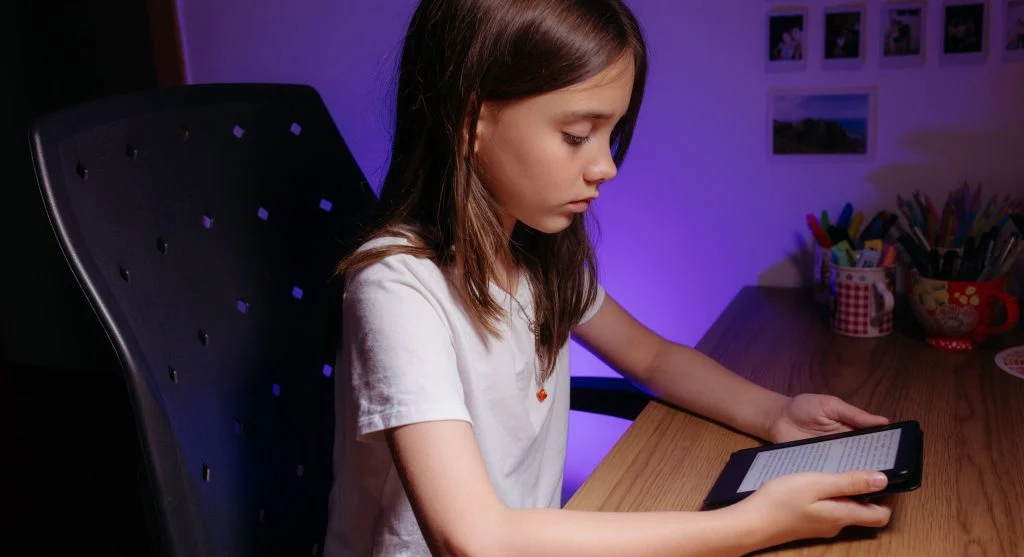
Evening phone use often comes with fewer external cues about the passing of time. There are fewer scheduled activities, fewer interruptions, and fewer natural stopping points. As a result, scrolling or browsing can feel much shorter than it actually is.
This is one reason many people are surprised when they realize how late it has become.
A Pattern That Repeats Every Day
Most people don’t consciously notice this shift. Yet the pattern is remarkably consistent. Daytime phone use is often centered around completing tasks, while nighttime use gradually becomes more relaxed, open-ended, and prolonged.
Because this routine repeats day after day, it becomes easy to accept it as normal.
What Changes When You Become Aware of It
Simply recognizing this pattern can make a difference. Instead of automatically drifting from purposeful use into endless browsing, you become more aware of the moment your phone stops helping you accomplish something and starts filling time.
That awareness makes it easier to decide when to continue—and when to put the phone down.
Frequently Asked Questions
Q: Why do I use my phone more at night?
A: Fewer interruptions and open-ended time increase usage.
Q: Does environment affect phone experience?
A: Yes, lighting and surroundings influence engagement.
Q: Is nighttime usage different from daytime?
A: Yes, it is usually less structured and more prolonged.
Q: Can I control this pattern?
A: Awareness helps shift usage from automatic to intentional.
Key Takeaway
The reason your phone feels different at night isn’t because the device changes—it’s because your environment, daily routine, and attention change with it. As the day winds down and distractions fade, phone use naturally becomes more open-ended and immersive. Recognizing this shift can help you make more intentional choices about how you spend your time and attention.