
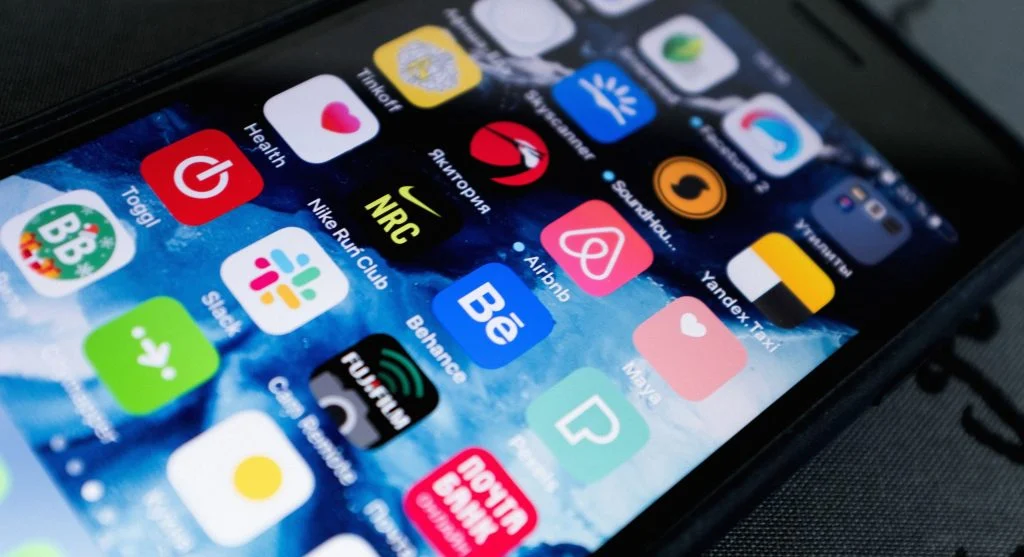

When you unlock your phone, it feels like you’re completely in control. You decide which app to open, which notifications to ignore, and what you want to do next.
Yet behind that simple action, another process is already underway.
Multiple apps are quietly competing for one limited resource—your attention.
The First Few Seconds Matter Most
As soon as your screen lights up, your brain immediately begins scanning for visual signals. Notification badges, colorful icons, movement, and banners all compete for your focus.
Many apps are intentionally designed to stand out during those first few seconds after you unlock your device.
The app that captures your attention first often becomes the one you open.
Notification Timing Is Often Strategic
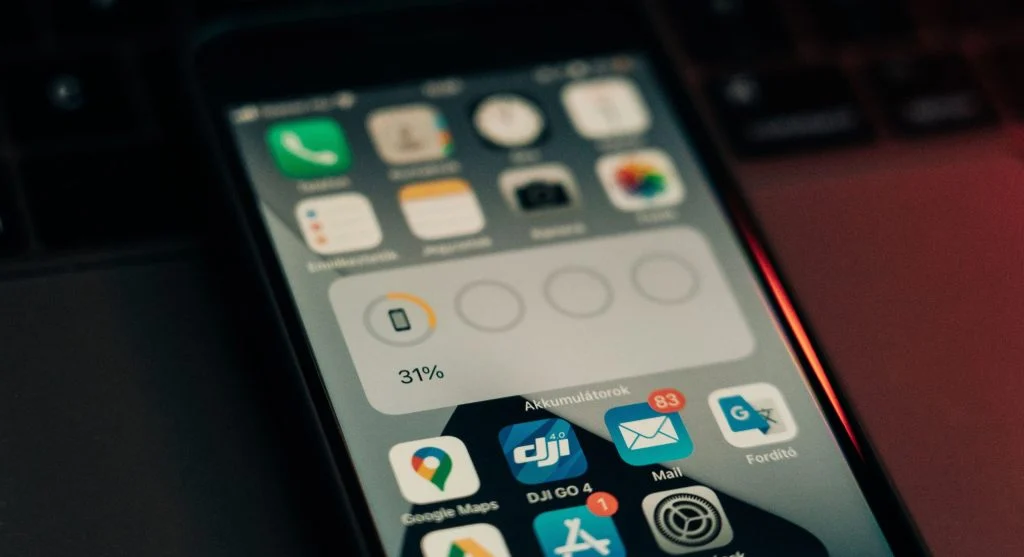
Notifications don’t always appear by chance.
Many platforms use data to understand when users are most likely to respond, such as after frequently unlocking their phones or during times when they’re typically active.
By sending notifications at those moments, apps increase the likelihood that users will engage with them.
Design Choices That Draw Your Eyes
Small design details can have a surprisingly strong effect on attention.
Bright colors, red notification badges, subtle animations, and highlighted icons are all designed to stand out against the rest of the screen.
Naturally, your eyes are drawn toward the elements that are most visually noticeable, making those apps more likely to receive your attention first.

The Power of “Just One Tap”
Many apps are designed to remove as much friction as possible.
With a single tap, content loads immediately. There’s very little waiting, and almost no effort is required before you’re scrolling, watching, or reading.
Because the process feels so effortless, engaging with the app becomes almost automatic.
Why You Forget Why You Picked Up Your Phone
Many people unlock their phones with one specific task in mind.
Perhaps they intended to check the weather, reply to a message, or set a reminder.
Then a notification appears, a recommended video catches their eye, or a news alert pops up. Within moments, they’re doing something entirely different—and the original reason for picking up the phone has been forgotten.
This isn’t always random distraction. In many cases, it’s the result of digital systems that are designed to redirect attention.
Different Apps Use Different Strategies
Not every app competes for attention in the same way.
Messaging apps often rely on urgency, using alerts and notifications that encourage immediate responses.
Social media platforms, news feeds, and content apps frequently depend on curiosity, presenting new recommendations or updates that encourage users to keep exploring.
Although the approaches differ, the objective is similar: encourage people to spend more time using the app.
A System Where Every App Competes
This isn’t about a single application trying to grab your attention.
Modern smartphones contain an entire ecosystem of apps, each optimized to increase engagement in its own way. Every platform uses its own combination of timing, design, recommendations, or notifications to encourage interaction.
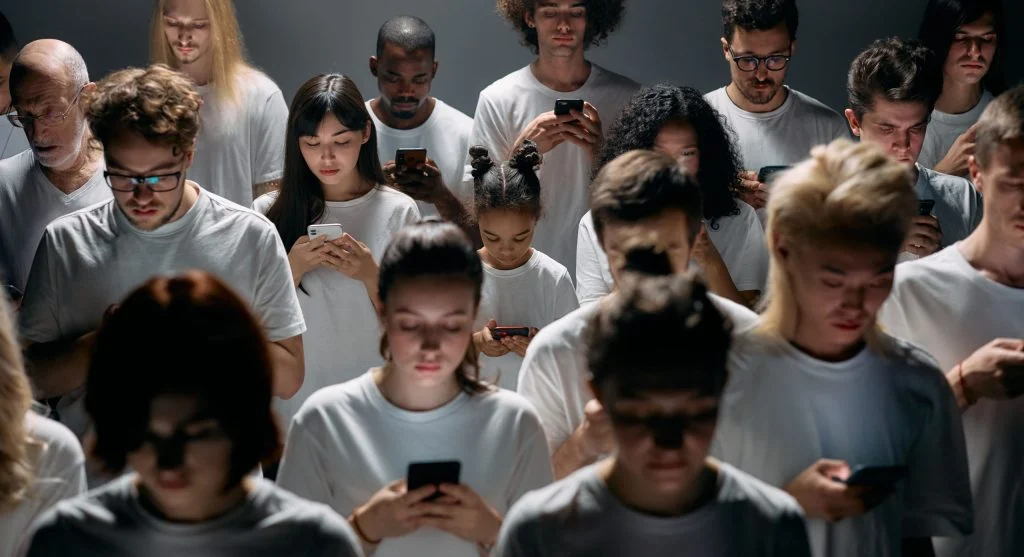
Together, these systems create an environment where multiple apps are constantly competing for the same moments of your attention.
What Changes When You Recognize It
Understanding how these systems work doesn’t stop them from existing.
Notifications will still arrive, recommendations will still appear, and apps will continue competing for attention.
The difference is that awareness creates a pause between the signal and your response. Instead of reacting automatically, you’re more likely to make a deliberate choice about what deserves your attention.
Frequently Asked Questions
Q: Are apps designed to compete for attention?
A: Many apps use design and timing to increase engagement.
Q: Why do notifications feel hard to ignore?
A: They are designed to stand out and trigger quick responses.
Q: Is this harmful?
A: Not always, but awareness helps manage usage better.
Q: Can I reduce this effect?
A: Yes, by adjusting notifications and usage habits.
Key Takeaway
Apps compete for your attention every time you unlock your phone. Through carefully timed notifications, attention-grabbing design, and personalized recommendations, they influence what you do next. Recognizing these patterns doesn’t eliminate them, but it helps you respond more intentionally and stay in control of your own digital habits.