


Online activity has become part of daily life, from browsing websites to using apps. However, sharing personal data online can create risks. Following online privacy tips helps users stay secure and protect their information.
Cybersecurity experts explain that simple habits can reduce exposure to threats. These online privacy tips are designed to improve safety while using the internet.
1. Use Strong Passwords to Protect Personal Data
Strong passwords are one of the most important online privacy tips. Weak passwords can be easily guessed.
Experts recommend using a mix of letters, numbers, and symbols. Avoid using personal details.
Unique passwords for each account improve security.

Credit: cottonbro studio / Pexels
2. Enable Two-Factor Authentication for Extra Security
Two-factor authentication adds an extra step to login processes. This helps protect accounts even if passwords are compromised.
Experts advise enabling this feature for important accounts.
This reduces unauthorized access risks.
3. Avoid Sharing Personal Information Publicly
Sharing too much personal information online can increase risk. Social media platforms often expose user data.
Experts recommend limiting the information shared publicly.
This helps protect privacy.
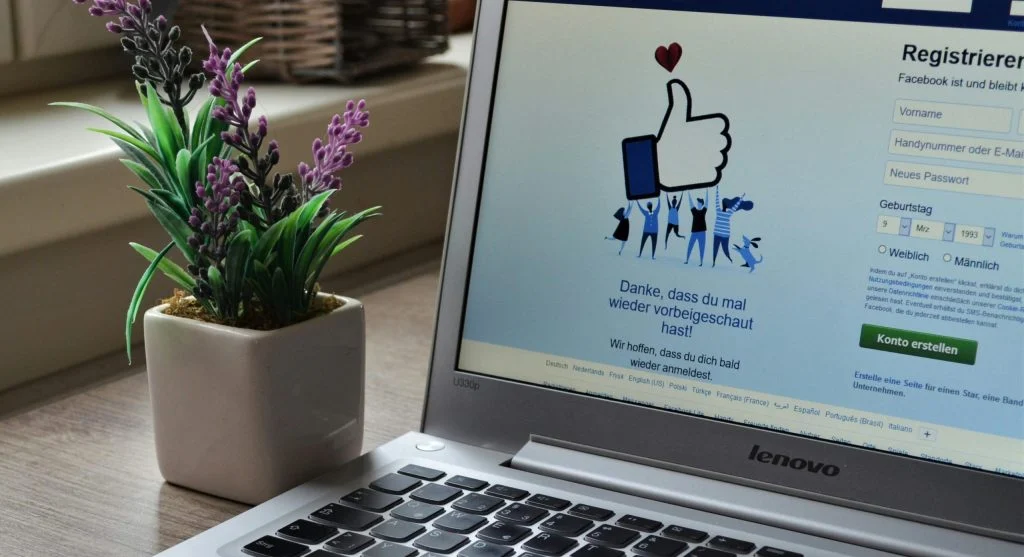
Credit: Tobias Dziuba / Pexels
4. Be Careful When Using Public Wi-Fi
Public Wi-Fi networks can expose data if not used carefully. Sensitive activities should be avoided on unsecured networks.
Experts suggest using secure connections whenever possible.
This improves online safety.
5. Keep Software and Apps Updated
Updates include security improvements and bug fixes. Keeping devices updated helps protect against threats.
Experts recommend enabling automatic updates.
This ensures continuous protection.

Credit: Dan Nelson / Pexels
6. Review App Permissions Regularly
Apps often request access to personal data. Not all permissions are necessary.
Experts advise reviewing permissions and limiting access.
This reduces data exposure.
7. Use Secure Websites for Online Activities
Secure websites use encryption to protect data. Look for HTTPS in the address bar.
Experts note that secure connections help protect sensitive information.
This is an important safety practice.
8. Avoid Clicking Suspicious Links
Unknown links can lead to scams or harmful websites. These links may appear in emails or messages.
Experts recommend verifying sources before clicking.
This helps prevent security risks.
9. Log Out of Accounts on Shared Devices
Using shared devices can increase risk if accounts are not logged out. Always sign out after use.
Experts suggest clearing sessions on shared devices.
This prevents unauthorized access.
10. Stay Informed About Online Threats
Awareness is one of the most effective online privacy tips. Understanding common threats helps users avoid risks.
Experts recommend staying updated on new security practices.
This improves overall safety.
Frequently Asked Questions
Q: What are online privacy tips?
A: They are practices that help protect personal data and improve online security.
Q: Why is online privacy important?
A: It helps prevent data theft, scams, and unauthorized access.
Q: Is public Wi-Fi safe?
A: Public Wi-Fi can be risky, especially for sensitive activities.
Q: How can I protect my personal data online?
A: Use strong passwords, enable security features, and avoid sharing sensitive information.
Key Takeaway
Online privacy tips help protect personal data and reduce risks while browsing the internet. Simple actions like using strong passwords and avoiding suspicious links improve safety. Experts highlight that awareness and good habits are essential for staying secure online.