Laptops are essential for work, study, and entertainment. With so many options available, choosing the right one can feel challenging. Understanding what to check when buying a laptop helps users make more informed decisions.
Technology experts explain that focusing on performance, usability, and value leads to a better purchase. These factors help users choose a laptop that fits their needs.
1. Processor Performance for Daily Tasks
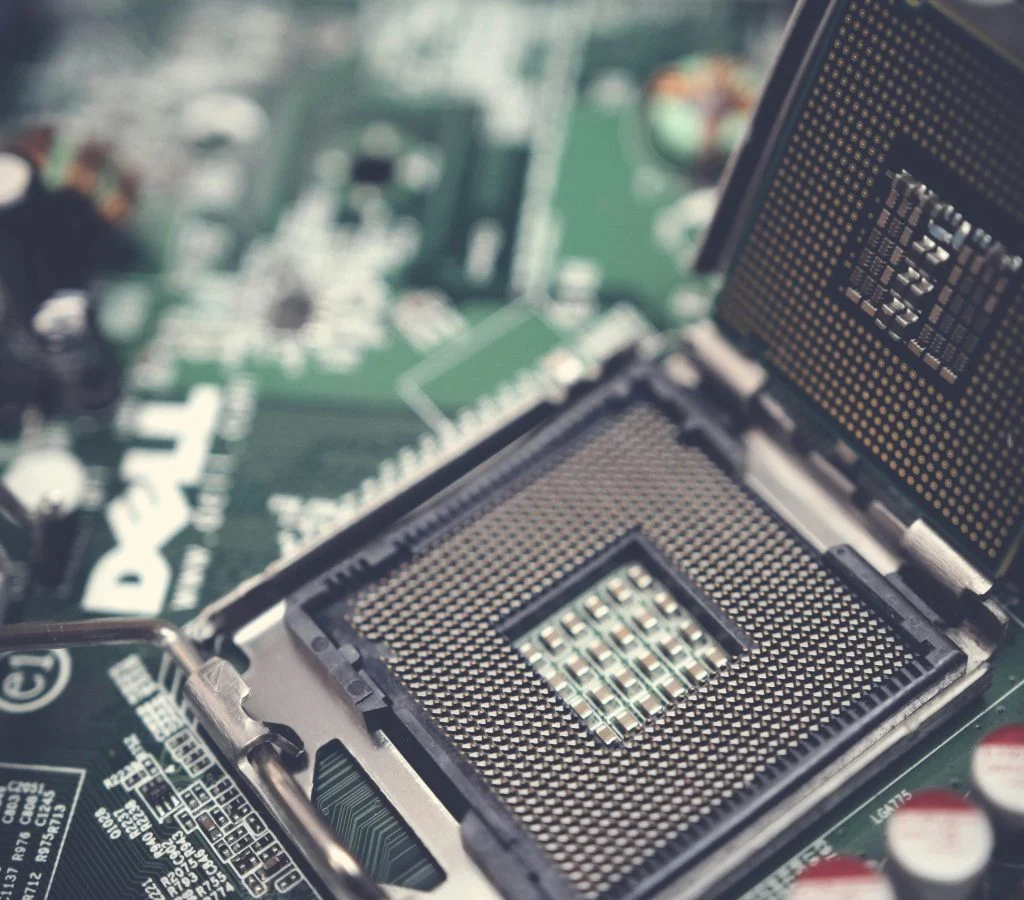
The processor affects speed and overall performance.
Experts recommend choosing a processor based on how the laptop will be used.
A well-built laptop tends to last longer and feel better to use.
Experts suggest choosing models made with strong yet lightweight materials.
This improves both durability and comfort.
7. Connectivity and Ports
Connectivity and available ports determine how easily the laptop works with other devices.
Experts recommend checking the types of ports and wireless features offered.
This ensures better flexibility for daily use.
8. Operating System and Software
The operating system plays a key role in usability and compatibility.
Experts suggest choosing one based on personal preference and needs.
This helps create a smoother overall experience.
9. Price and Overall Value
Price should align with the features and performance offered.
Experts recommend comparing different options within your budget.
This helps users make more practical and informed decisions.
Frequently Asked Questions
Q: What should I check before buying a laptop?
A: Check processor, RAM, storage, display, and battery life.
Q: Is RAM important in laptops?
A: Yes, it affects multitasking and performance.
Q: How much storage do I need?
A: It depends on usage, such as files and applications.
Q: Is battery life important?
A: Yes, especially for portable use.
Key Takeaway
Buying a laptop requires checking performance, display, and battery life. These factors help users choose the right device for their needs. Experts highlight that comparing features ensures better value and usability.