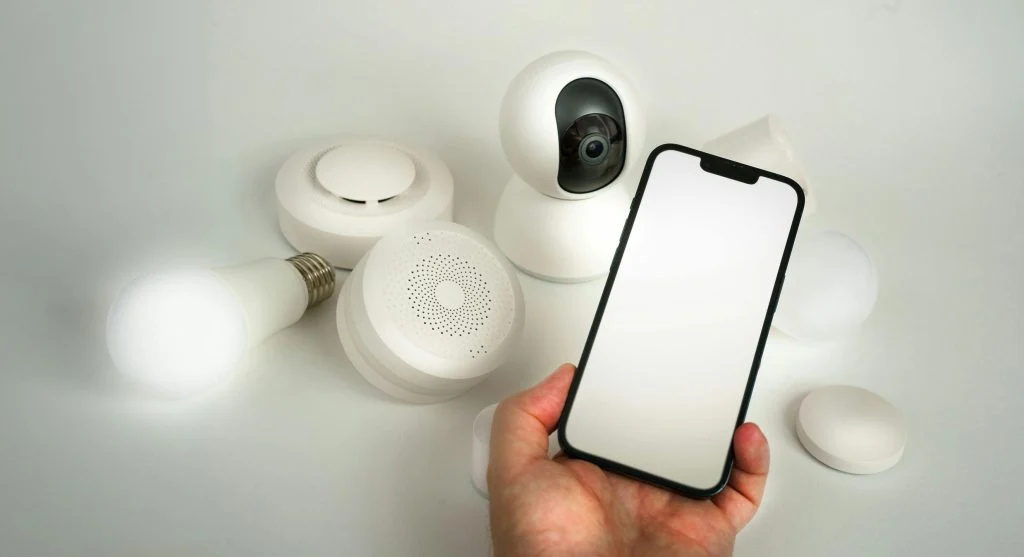
Artificial intelligence is no longer limited to advanced systems or research environments. It has become a part of everyday technology used by millions of people. Understanding the uses of artificial intelligence helps explain how modern devices function.
Technology experts note that AI enhances efficiency, convenience, and personalization. These uses of artificial intelligence are becoming increasingly common across a wide range of devices and services.
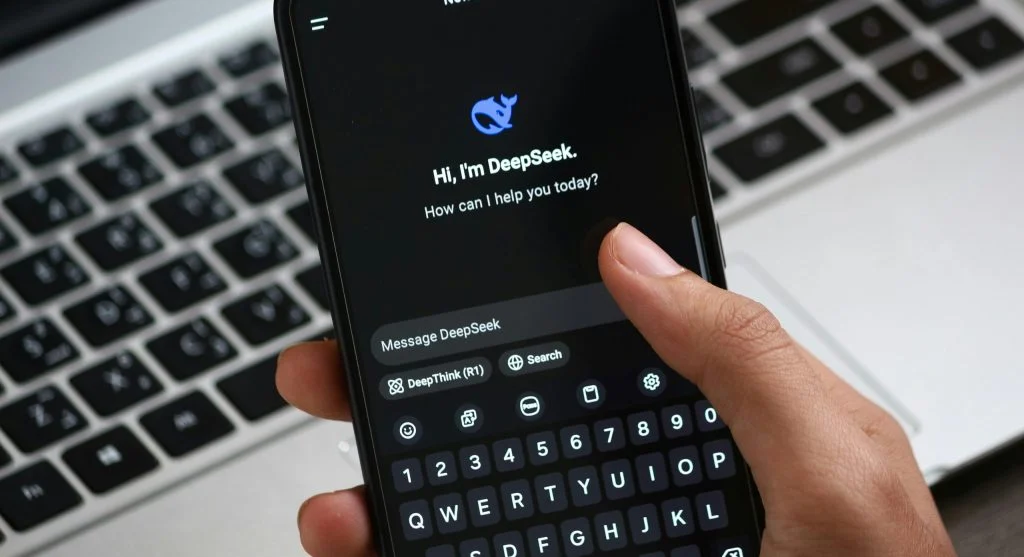
1. How AI Improves Smartphone Features
Smartphones rely on AI for features like facial recognition, voice commands, and predictive text. These tools make devices more intuitive and easier to use.
Experts explain that AI learns from user behavior, improving accuracy over time.
This is one of the most noticeable uses of artificial intelligence in everyday life.
Credit: Abdelrahman Ahmed / Pexels
2. Why Streaming Services Use AI for Recommendations
Streaming platforms use AI to recommend content based on a user’s viewing history. This makes the overall experience more personalized and enjoyable.
Data analysts explain that AI analyzes patterns to predict what users are likely to watch next.
This helps users find relevant content more easily.
3. How AI Powers Voice Assistants
Voice assistants depend on AI to understand and respond to user commands. They process speech and deliver helpful information in real time.
Experts note that AI improves its accuracy through continuous learning.
This makes voice assistants more reliable and effective over time.

Credit: Tim Witzdam / Pexels
4. How AI Enhances Online Shopping Experiences
Online stores use AI to recommend products and refine search results, making it easier for users to find what they need.
Experts explain that AI analyzes browsing behavior to offer more relevant suggestions.
This improves both efficiency and convenience.
5. Why Navigation Apps Depend on AI
Navigation apps rely on AI to deliver real-time traffic updates and suggest the best routes.
Technology specialists note that AI processes large volumes of data to predict traffic conditions accurately.
This helps users reach their destinations more quickly and efficiently.

Credit: Sami Aksu / Pexels
6. How AI Supports Email Filtering and Spam Detection
Email services use AI to filter spam and organize incoming messages, helping keep inboxes easier to manage.
Experts explain that AI identifies patterns commonly found in unwanted emails.
This improves communication efficiency.
7. Why Smart Homes Use Artificial Intelligence
Smart home devices rely on AI to automate tasks like lighting and temperature control.
Experts note that AI learns user preferences over time to improve automation.
This adds comfort and convenience to daily life.
8. How AI Improves Security Systems
Security systems use AI to detect unusual activity. Cameras and sensors analyze data to identify potential risks.
Experts highlight that AI enhances the accuracy of responses.
This provides better protection for users.
9. How AI Is Used in Customer Support
Many companies use AI-powered chat systems to handle common questions. These systems can respond quickly and efficiently.
Experts explain that AI improves efficiency by managing routine tasks.
This allows human support teams to focus on more complex issues.
Frequently Asked Questions
Q: What are common uses of artificial intelligence?
A: AI is used in smartphones, navigation apps, streaming services, and smart homes.
Q: How does AI improve daily technology?
A: AI improves efficiency, personalization, and automation in devices and services.
Q: Is AI used in smartphones?
A: Yes, AI powers features like facial recognition, voice assistants, and predictive text.
Q: Why is AI important in modern technology?
A: AI helps process data quickly and improves user experience.
Key Takeaway
The uses of artificial intelligence continue to grow across everyday technology. From smartphones to smart home systems, AI helps improve efficiency and convenience in daily life. Experts emphasize that understanding these uses allows people to interact more effectively with modern devices and services.