Mobile networks are constantly evolving to deliver faster and more reliable connections. Many modern smartphones now support advanced network technologies, and understanding what 5G is helps users see how connectivity continues to improve.
Technology experts explain that 5G stands for the fifth generation of mobile network technology. It is designed to offer higher speeds, lower latency, and better overall performance compared to earlier networks.
What Does “What Is 5G” Mean in Simple Terms?
5G refers to a new type of mobile network that allows devices to connect more quickly and efficiently. It enhances how data is transmitted between devices and networks.
Experts note that 5G enables faster downloads, smoother streaming, and a more seamless online experience.
This makes it valuable for both everyday use and more advanced applications.
Credit: Bl∡ke / Pexels
How 5G Works in Mobile Networks
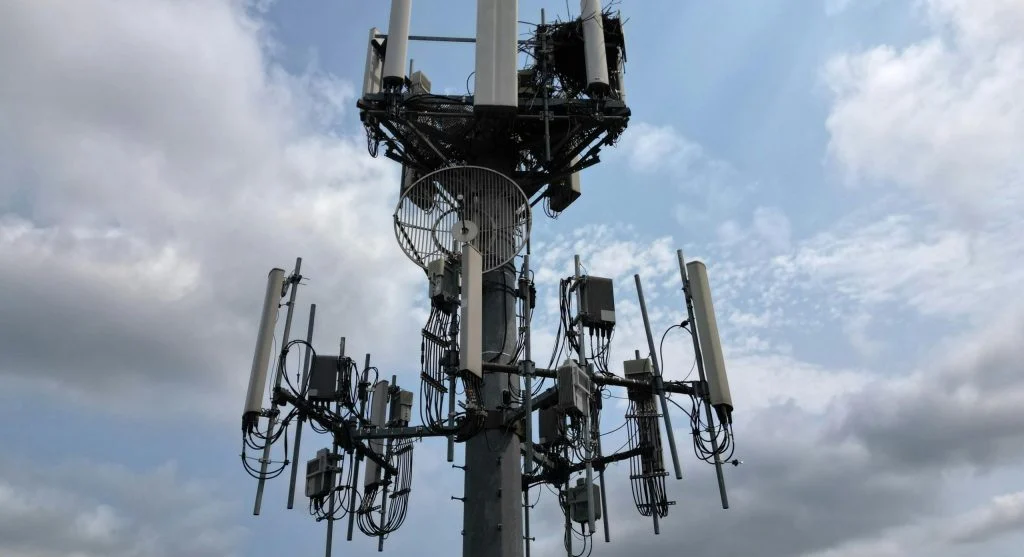
5G operates by using advanced radio frequencies to transmit data more efficiently. These frequencies enable faster communication between devices and network towers.
According to network engineers, 5G combines several technologies to boost speed and reliability, including smaller network cells and advanced signal processing.
Together, these improvements deliver stronger and more consistent connectivity.
Why 5G Is Faster Than Previous Networks
5G offers higher speeds because it can handle much larger amounts of data at the same time. It uses wider bandwidth and improved efficiency to achieve this.
Experts explain that this reduces delays and increases overall speed, allowing users to download files and stream content more quickly.
As a result, everyday online activities feel smoother and more responsive.
Credit: Viralyft / Pexels
How 5G Improves Everyday Smartphone Use
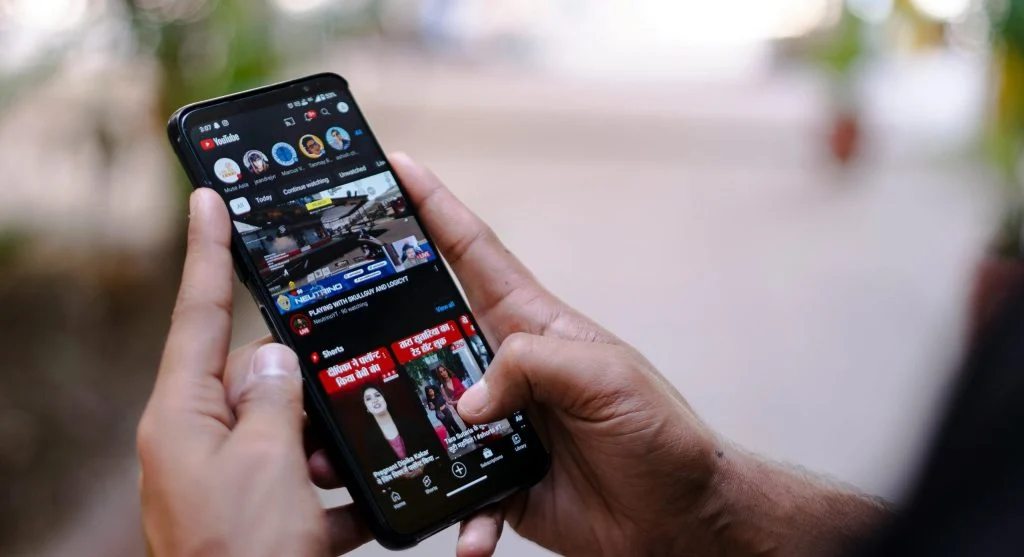
5G enhances many everyday activities, including browsing, gaming, and video calls. With faster speeds, users experience less waiting and quicker responses.
Experts highlight that lower latency makes real-time applications perform better, especially for online gaming and communication.
This leads to smoother and more reliable performance in daily use.
What Are the Limitations of 5G Technology?
Despite its benefits, 5G does come with some limitations. Coverage can vary depending on your location.
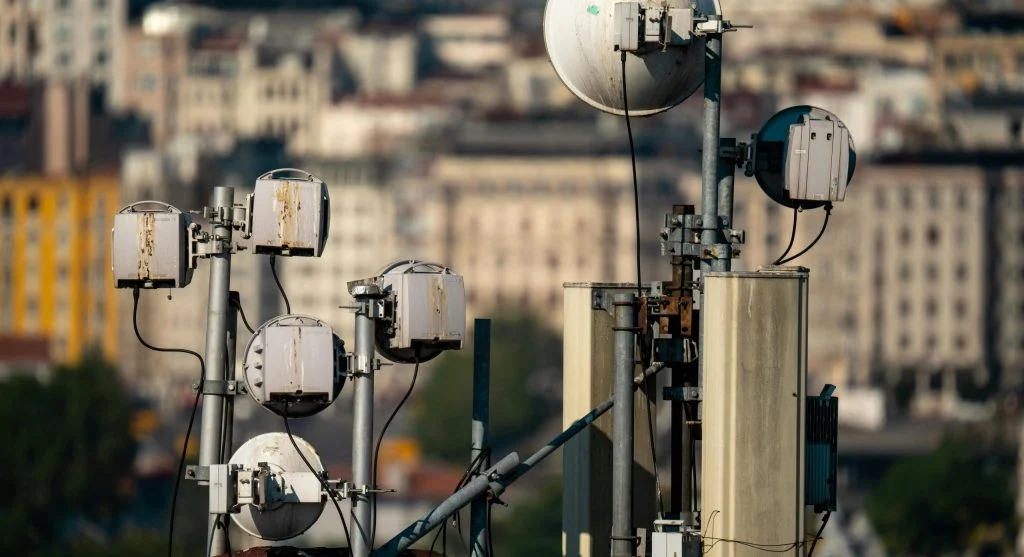
Experts note that the higher frequencies used by 5G often have a shorter range, which means more infrastructure is needed.
Understanding these limitations helps users set realistic expectations.
Credit: Seyfettin Geçit / Pexels
Where 5G Technology Is Being Used
5G is already being used across smartphones, smart devices, and a growing range of emerging technologies. It supports applications like smart cities and connected systems.
Experts explain that 5G allows faster and more efficient communication between devices and networks.
This plays an important role in supporting future technological development.
Frequently Asked Questions
Q: What is 5G used for?
A: 5G is used for faster internet, improved streaming, and better connectivity.
Q: Is 5G faster than 4G?
A: Yes, 5G offers higher speeds and lower latency compared to 4G.
Q: Does 5G work everywhere?
A: Coverage depends on location and network availability.
Q: Do all smartphones support 5G?
A: No, only devices designed for 5G can use this network.
Key Takeaway
5G refers to the next generation of mobile networks, built to deliver greater speed and efficiency. It enhances connectivity for smartphones and a wide range of other devices. Experts emphasize that understanding 5G allows users to make better use of modern network technology.